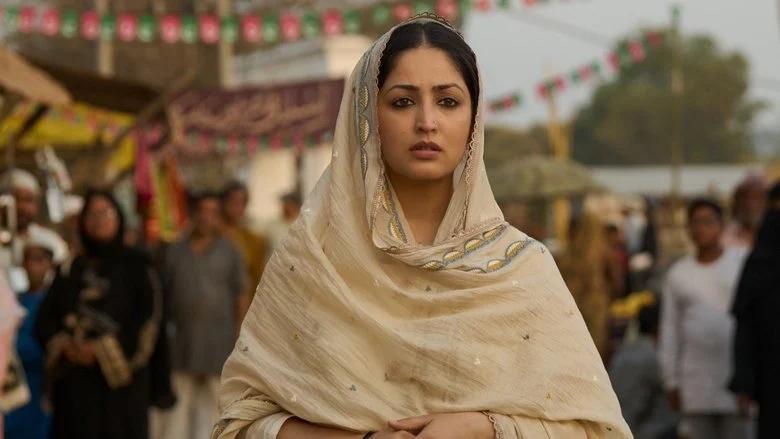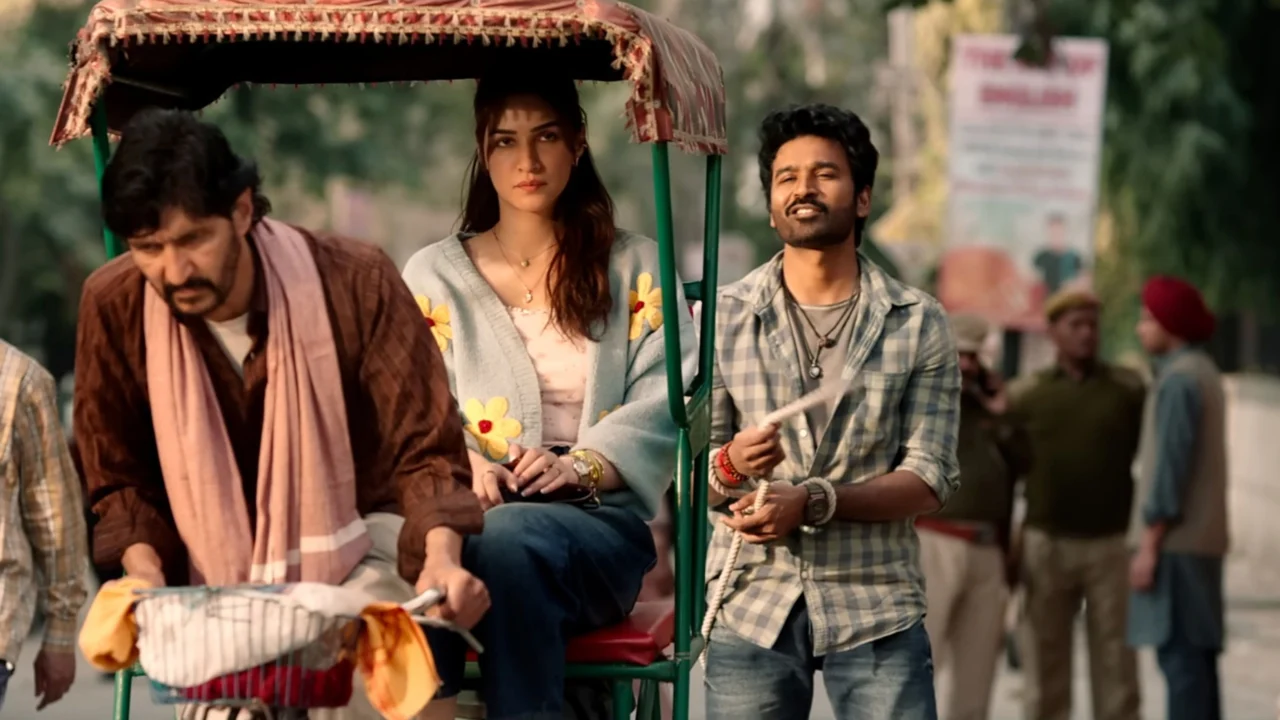
Tere Ishk Mein (2025) Movie ft. Priyanshu, Dhanush, and Kriti

After twelve years, director Aanand L. Rai and actor Dhanush come together again, this time with Kriti Sanon leading alongside. Their new film, Tere Ishk Mein, hit theaters on November 28, exploring a love story that’s as disturbing as it is passionate. With music by A.R. Rahman and a supporting cast that includes Prakash Raj and Mohammed Zeeshan Ayub, the film tries to capture lightning in a bottle once more.
The movie rolls out in Hindi, Tamil, and Telugu, running close to three hours. Filmed across multiple Indian cities including Benaras and Leh, it took the team about a year to wrap up shooting. The story promises something different from typical romance, and it certainly delivers on that front, though not always in ways you’d expect.
Love Wrapped in Rage
Flight Lieutenant Shankar has a problem: he can’t keep his temper in check. Despite being brilliant at his job, his anger gets him grounded. The Air Force assigns him to therapy, and that’s where things get interesting. His counselor turns out to be Mukti, someone from his past who clearly didn’t expect to see him again.
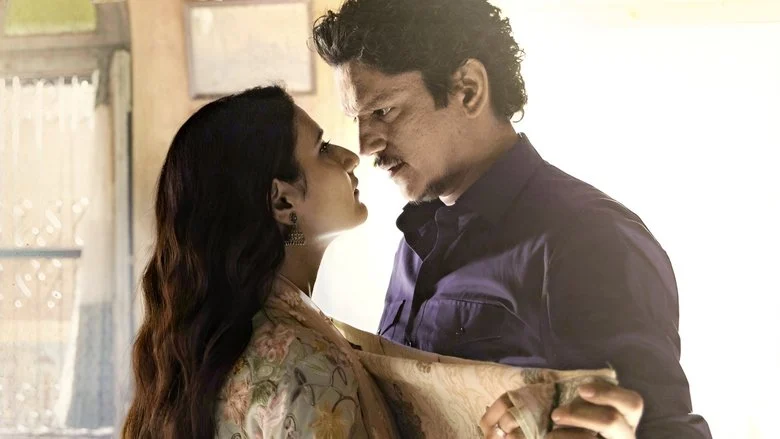
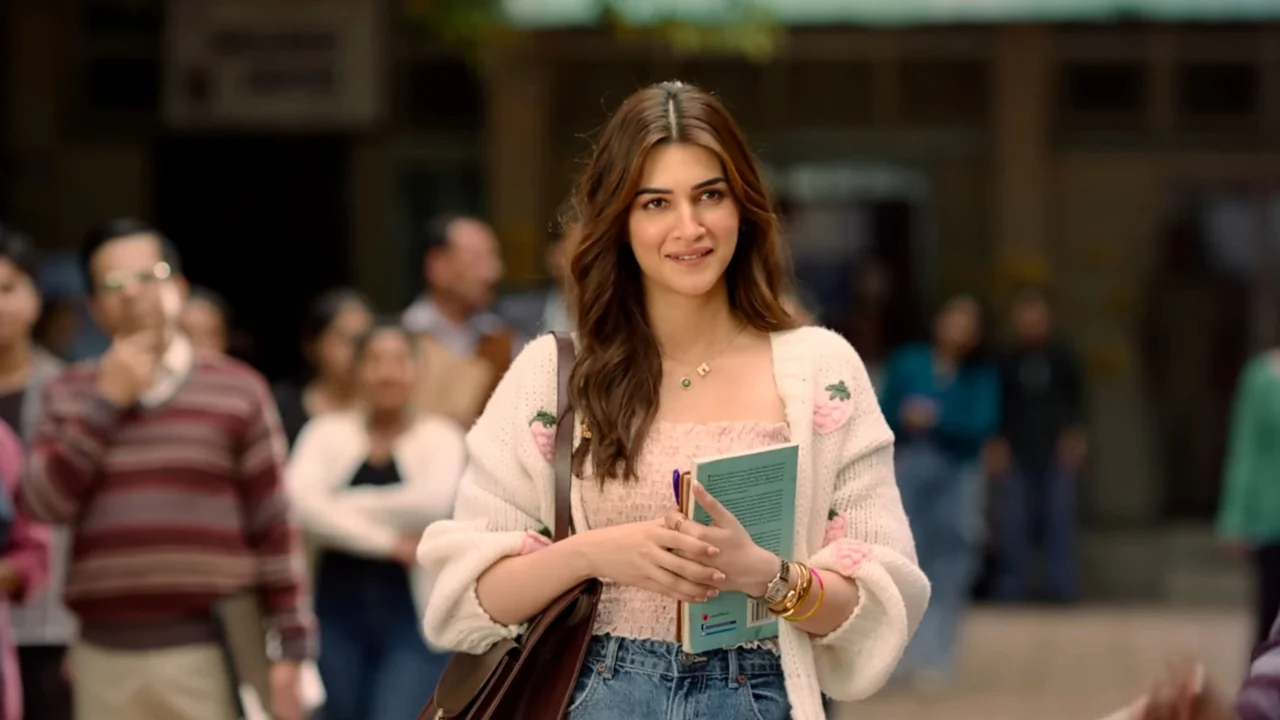
Through flashbacks, we learn they were college students in Benaras. Shankar was the kind of guy who’d throw punches first and think later, carrying wounds from his childhood. Mukti was different, ambitious, focused on her studies about rehabilitating violent individuals. Their worlds collided, and somehow, love happened.
But love wasn’t enough. When Mukti chose to walk away and marry someone else, Shankar’s response crossed every line. He showed up at her engagement with petrol bombs and later set her family home on fire. The film asks difficult questions about whether someone capable of such violence deserves redemption, and if the person they hurt should be the one to offer it.
Two Actors at Their Peak
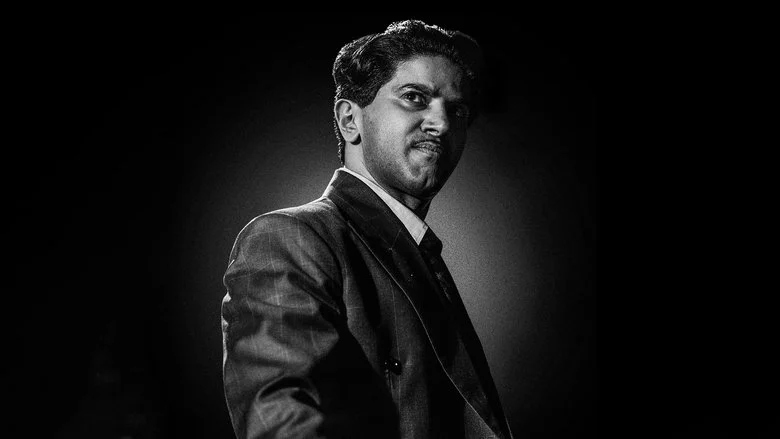
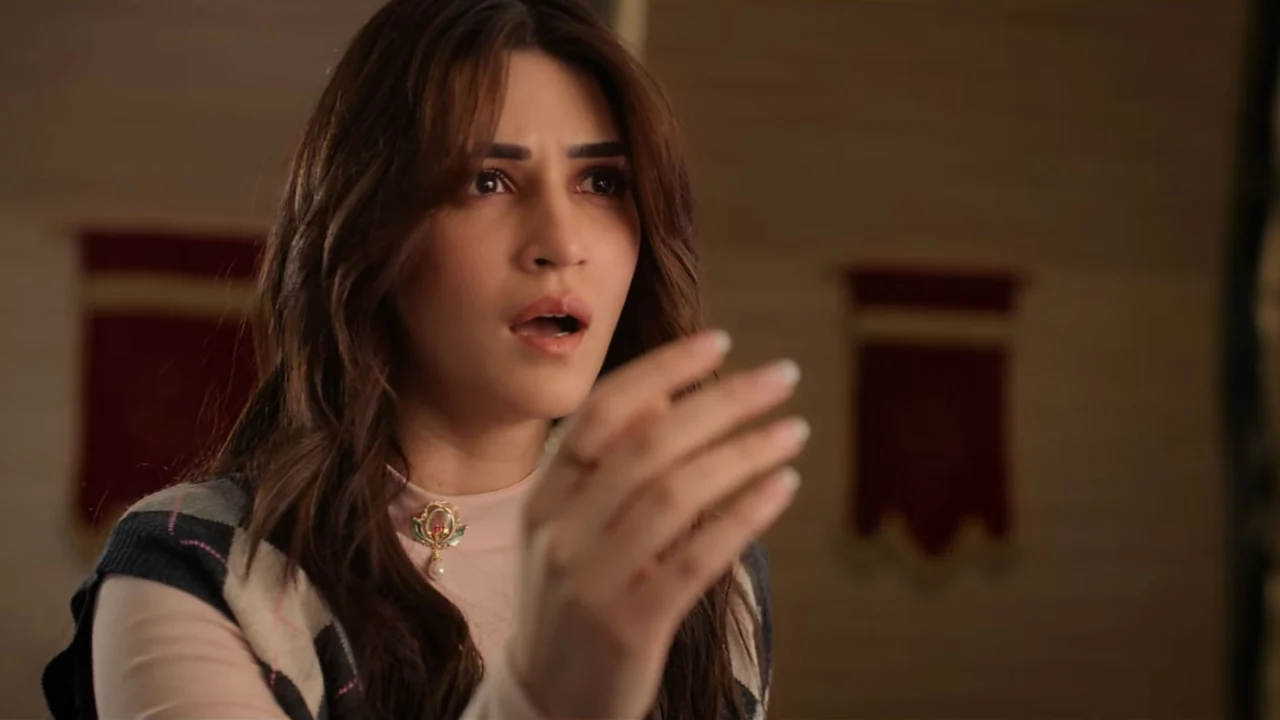
Watching Dhanush here reminds you why he’s considered one of India’s finest actors. He doesn’t just play anger, he shows you the pain underneath it, the childhood trauma that never healed, the man struggling against his own worst impulses. In quieter moments, you see vulnerability that makes Shankar more than just a violent character.
Kriti Sanon proves she belongs in this league. Playing Mukti isn’t easy, she’s pregnant, battling addiction, and facing her past demons while trying to help the man who once destroyed her life. I found myself watching her eyes more than listening to dialogue in many scenes. She communicates so much without words, especially when her character realizes she still has feelings for someone who terrified her.
Prakash Raj doesn’t get much screen time, but when he’s there, you feel the weight of a father watching his son destroy himself. Priyanshu Painyuli’s role as the loyal friend could’ve been developed more. Mohammed Zeeshan Ayub appears for maybe ten minutes total, yet those minutes stick with you, his scenes against Benaras’s backdrop capture something the rest of the film sometimes loses.
The Musical Soul
Rahman’s soundtrack lifts this film higher than its script deserves. Jigar Thanda plays during moments that needed emotional resonance, and it delivers. Ladki Jaisi captures the early romance beautifully. The title song became popular even before release, though oddly, you don’t hear the complete version in the actual movie, a strange choice that left me disappointed.
What surprised me was Chinnaware, an entirely Tamil composition in the middle of this Hindi film. It works because it’s tied to the father-son relationship and Shankar’s roots. Rahman’s background score does heavy lifting throughout, making you feel things the screenplay sometimes struggles to convey on its own.
The first half moves well. College scenes have humor mixed with romance, and even though some moments feel familiar, they build toward something bigger. By interval, I was genuinely curious how they’d resolve this mess.
Where Things Crumble
Then came the second half. At nearly three hours total, the film tests your patience. Scenes drag, the story gets tangled in itself, and what should’ve been a tight, focused ending stretches on and on.
But length isn’t the real problem. The film never quite figures out what it wants to say about Shankar’s violence. Is it condemning his actions or asking us to sympathize because he had a rough childhood? That confusion bothers me. Setting someone’s house on fire isn’t passion, it’s violence, plain and simple. Yet the film seems unsure whether to treat it as such.
The editing needed another pass. Entire sequences could’ve been trimmed. Characters who seemed important early on disappear or become background decoration. The film also wastes Benaras as a setting. Raanjhanaa made the city feel alive; here, it’s just pretty backdrop.
What troubles me most is the message underneath everything. Even in 2025, are we still making films where a woman is expected to fix a violent man through her love? Where stalking and property destruction are presented as proof of deep feeling? It feels stuck in the wrong era.
Mixed Voices from Critics and Crowds
Professional reviewers landed mostly in the 2.5 to 3 out of 5 range. Bollywood Hungama appreciated the performances but found the runtime excessive and the second half weak. Hindustan Times called it uneven despite strong acting from the leads. Several noted that while individual scenes work well, the whole doesn’t quite come together.
Audience reactions split along similar lines. The first half got praised for chemistry and emotional setup. But by the second half, social media lit up with complaints about the toxic relationship dynamics and confusing narrative choices. Some viewers walked out genuinely upset by how the film handled violence against women.
The box office opened decently, around 16-17 crores on day one across India. IMDb currently shows a 7.1 rating, suggesting general audiences lean more positive than critics. Whether that holds beyond the opening weekend remains to be seen.
Final Thoughts
Tere Ishk Mein reaches for something ambitious, a complicated look at obsessive love and whether damaged people can heal. The performances, especially from Dhanush and Kriti, are genuinely excellent. Rahman’s music creates moments of beauty. Several scenes showcase Aanand L. Rai’s talent for emotional drama.
Yet the film stumbles badly on its core message. It wants to explore toxic masculinity but sometimes seems to celebrate it instead. The second half needed serious tightening. And in trying to be profound about love and redemption, it forgets to clearly condemn violence that should never be romanticized.
If you’re a fan of intense performances or Rahman’s music, there’s enough here for one viewing. But be prepared for a flawed experience that raises more troubling questions than it answers. The film works best when you focus on the craft, the acting, the music, individual scenes, rather than the whole troubling package.
Rating: 3/5